Physics undergraduate researcher exploring quantitative finance, machine learning, and data-driven modeling alongside nuclear physics, gluon saturation, geometric scaling, and computational methods for high-energy collisions. His work combines Python, numerical analysis, C++/ROOT, and computational modeling.
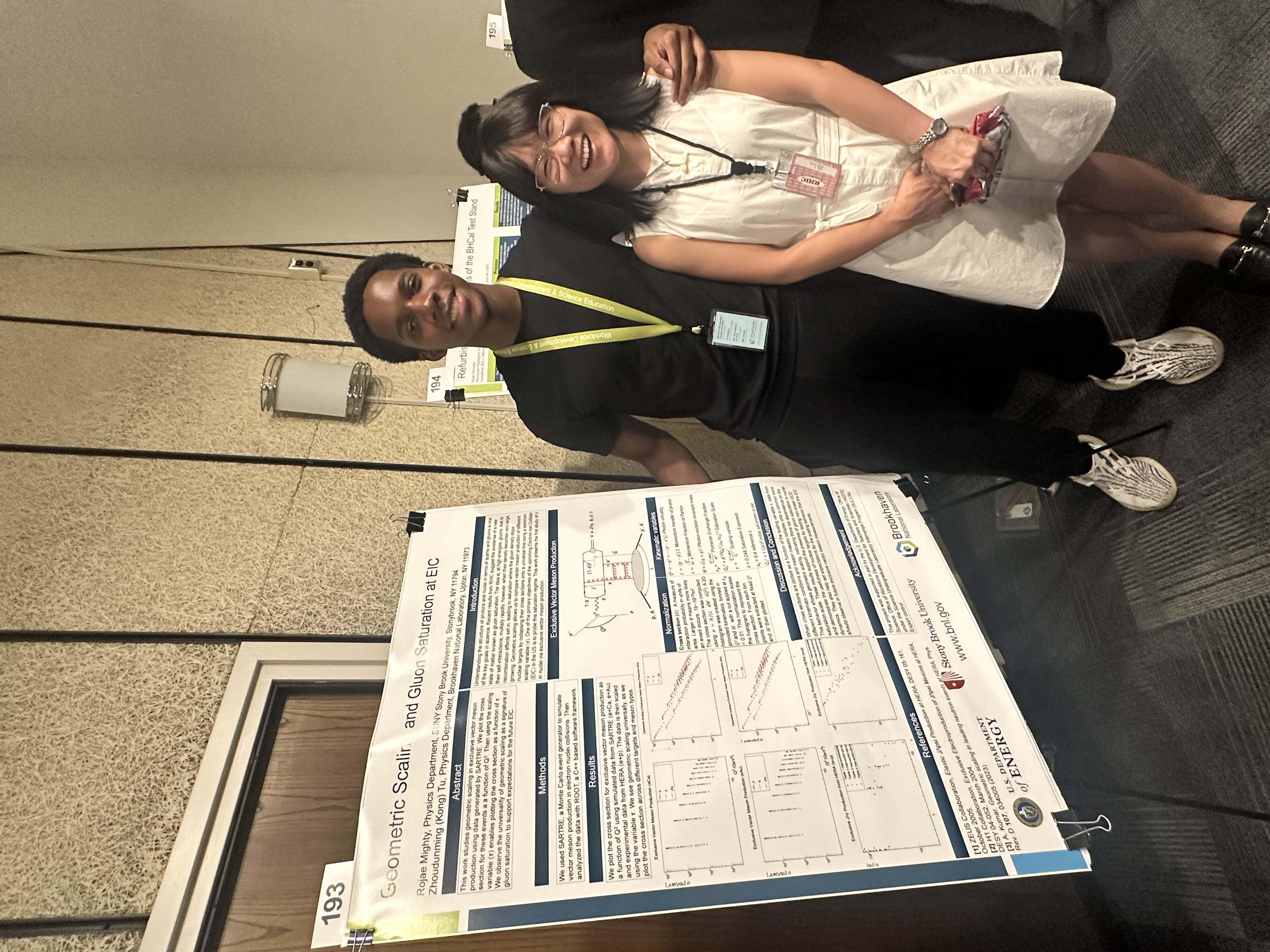
His academic work centers on the future Electron-Ion Collider, which will probe the structure of protons and nuclei through the quarks and gluons that make them up. His work helps build expectations for what the EIC should measure and how those measurements may appear.
Uses C++, ROOT, Python, Unix/Linux, numerical simulations, Monte Carlo event generators, and data analysis workflows for physics research.
Interested in paths that apply rigorous analytical methods to complex systems, including graduate research in nuclear physics and quantitative finance. Across both fields, his focus is on computational modeling, data analysis, and careful reasoning under uncertainty.
Projects connecting quantitative finance, machine learning, data analysis, and computational modeling with nuclear physics, gluon saturation, and high-energy collision research.
An electron collides with a nucleus, revealing the quarks and gluons hidden inside.
Early-stage project: building a Python ML pipeline on limit order book data to forecast short-horizon mid-price returns and volatility. Current focus is microstructure feature design (order-flow imbalance, spread dynamics), with walk-forward validation and transaction-cost-aware backtesting planned next.
Time Series Machine Learning Python Backtesting View on GitHub →Before researchers can study electron–nucleus collisions, they must reconstruct key kinematic quantities for diffractive procces. This time-intensive step can slow the analysis of large datasets. This project uses machine learning to make reconstruction faster and more accurate, improving data-analysis efficiency across the international electron-Proton/Ion Collider (ePIC) collaboration.
Machine Learning Kinematics ePICAt high energies, gluons multiply until their growth may begin to saturate, revealing new behavior in nuclear matter. This research analyzes 10 million simulated electron–nucleus collisions using geometric scaling and spatially dependent nuclear structure to study where saturation occurs and how the Electron–Ion Collider could detect it.
EIC QCD Gluon Saturation nPDFFellowships, presentation awards, travel grants, and academic recognition.
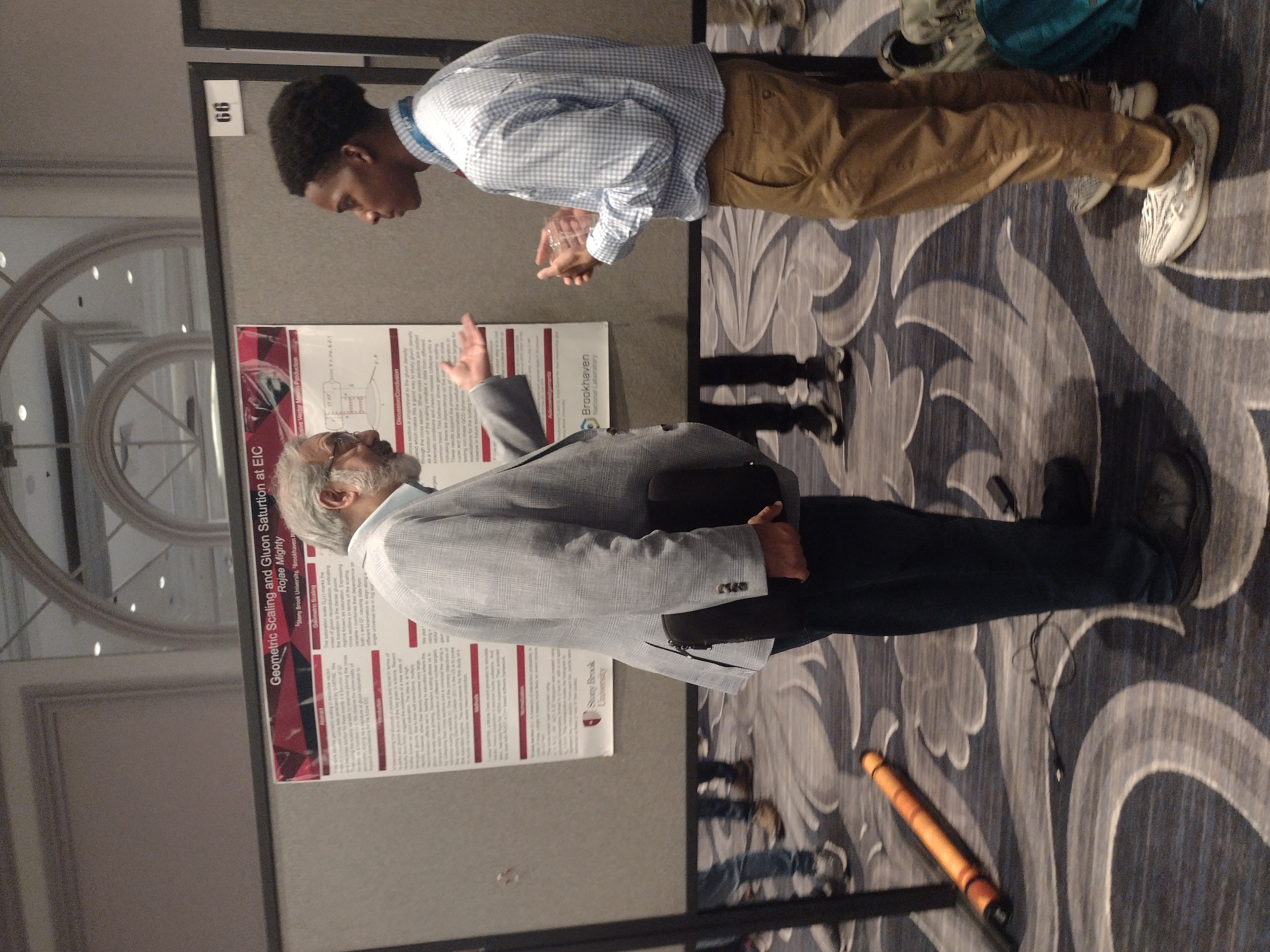
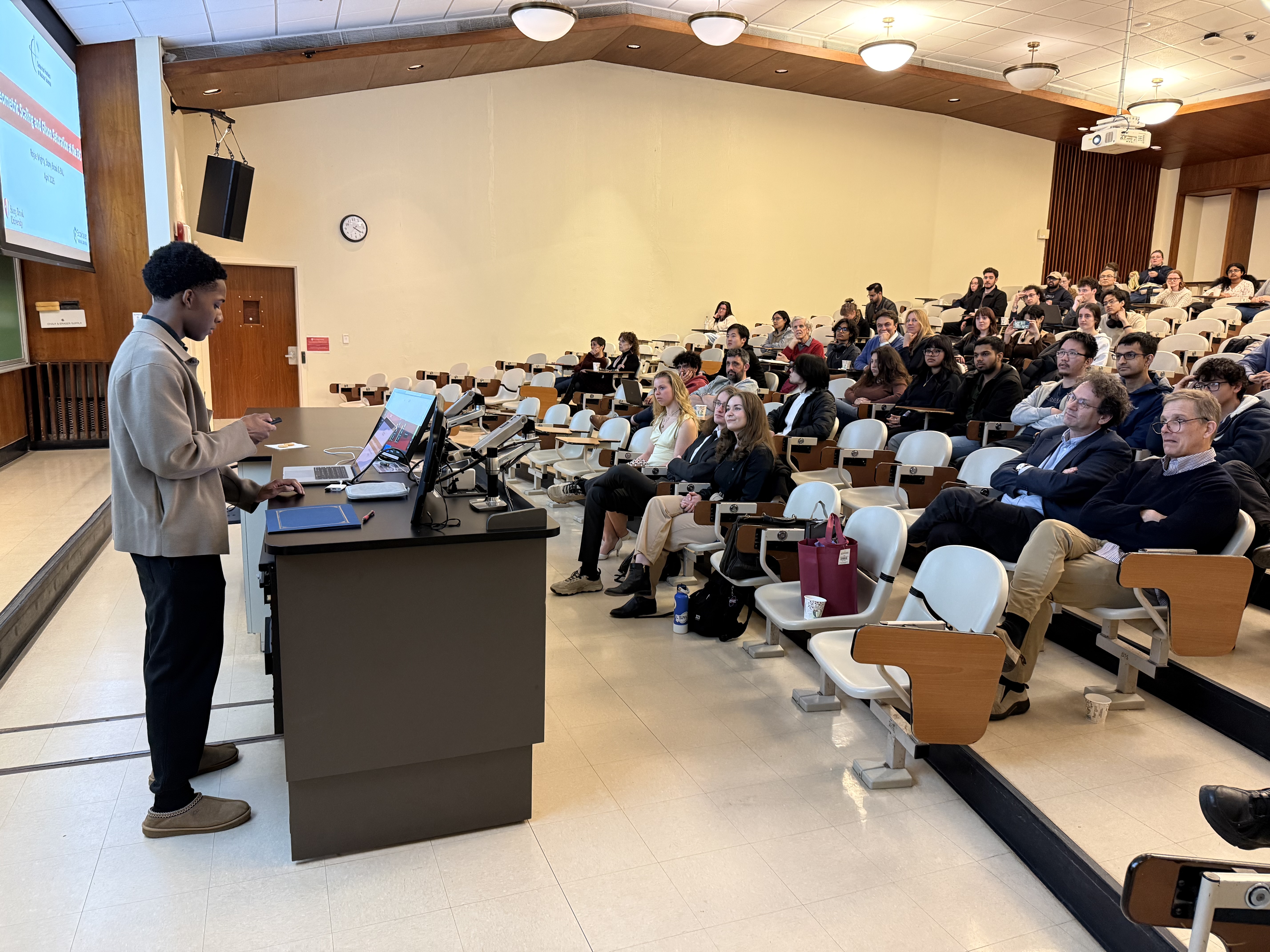
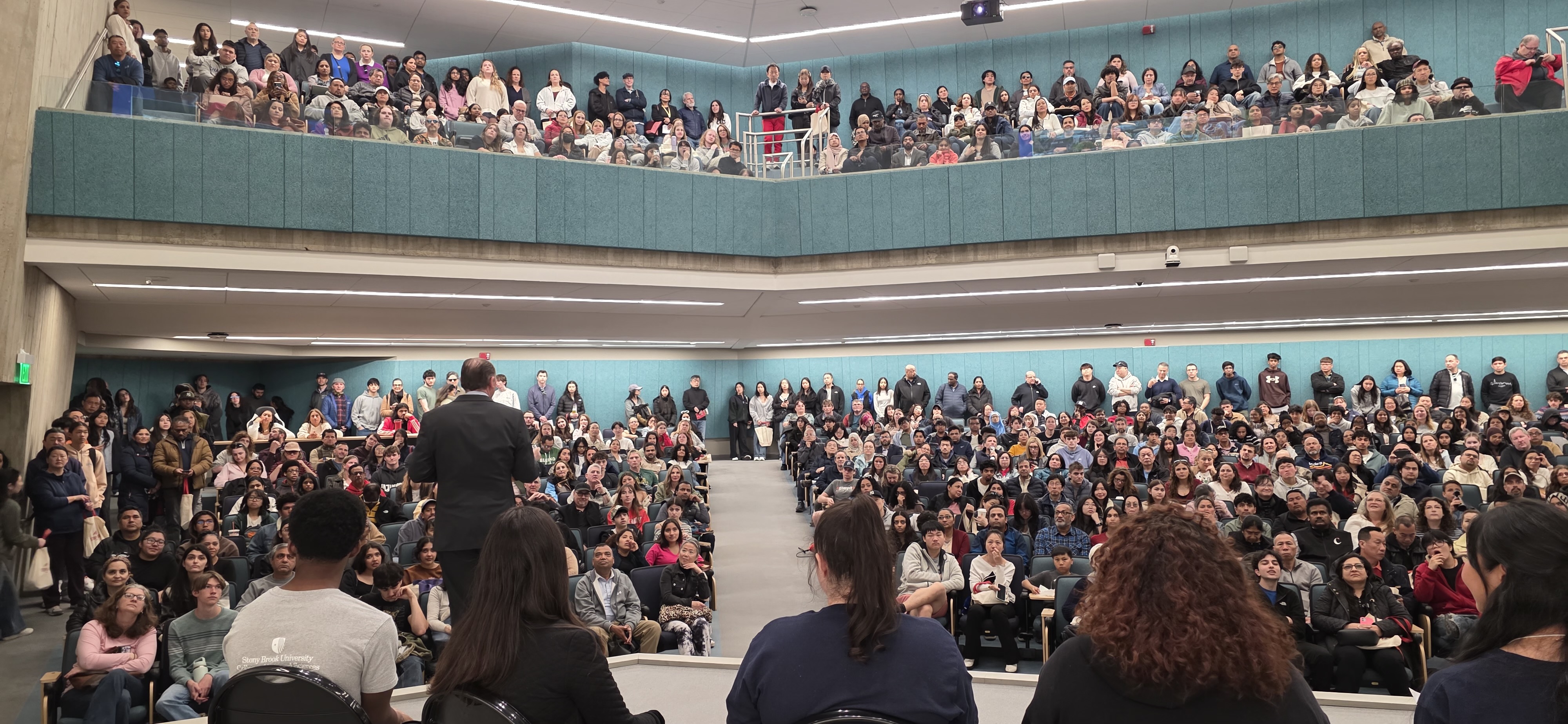
Photos from research programs, conferences, presentations, leadership, and academic experiences.
For research, collaboration, graduate school, or internship opportunities.